We consistently observe a common oversight when clients discuss Full Canvas vs Fused Suits: Why Construction Matters far more than the outer fabric itself. Many gentlemen focus entirely on selecting a Super 150s wool but completely ignore the structural foundation beneath.
This hidden layer dictates whether a jacket moulds gracefully to your physique or stiffens after multiple dry cleans. A premium cloth simply cannot perform properly if the internal skeleton is fundamentally flawed.
Let us examine the specific materials used in premium garments, analyse how they react to high humidity, and provide a clear framework for evaluating your next commission.
Full Canvas vs Fused Suits: Why Construction Matters
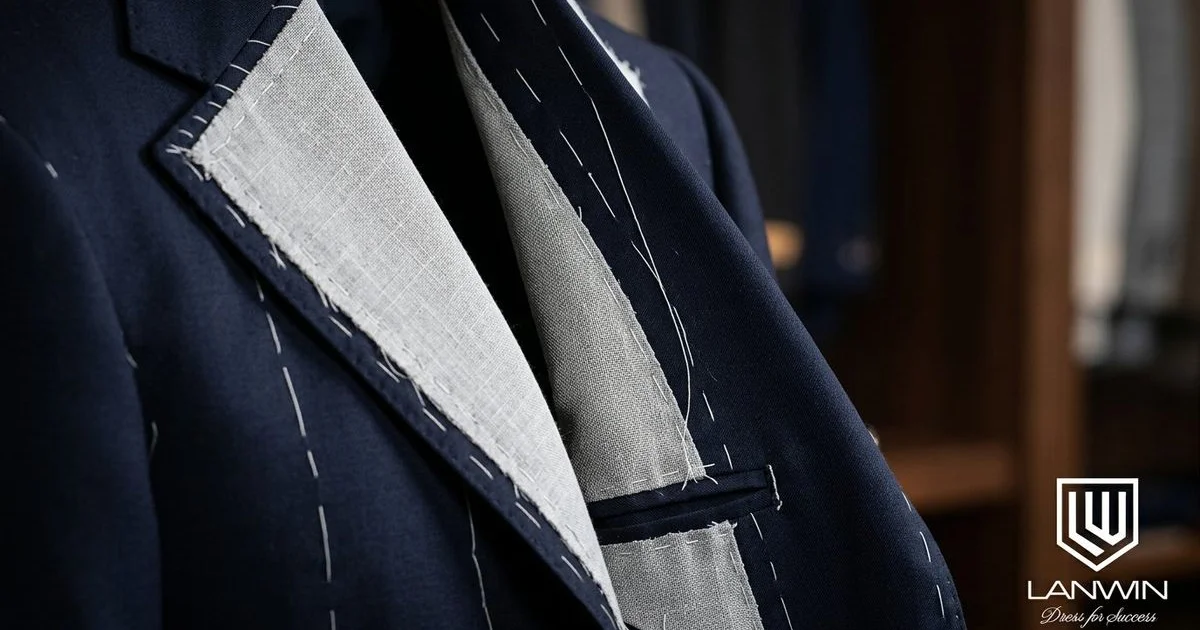
Every structured jacket relies on a hidden layer situated between the outer shell and the inner lining. We refer to this essential middle layer as the canvas or interlining, which acts as the physical skeleton of the garment to support the chest and define the lapel roll.
Three primary methods dictate this construction process: full canvas, half canvas, and fused. Each technique yields a vastly different outcome in terms of longevity, breathability, and how the fabric responds to your daily movements.
To illustrate these structural differences, consider the three core methods:
- Full Canvas: Uses a free-floating natural structure.
- Half Canvas: Combines natural chest structure with a glued lower half.
- Fused: Relies entirely on heat-activated synthetic adhesives.
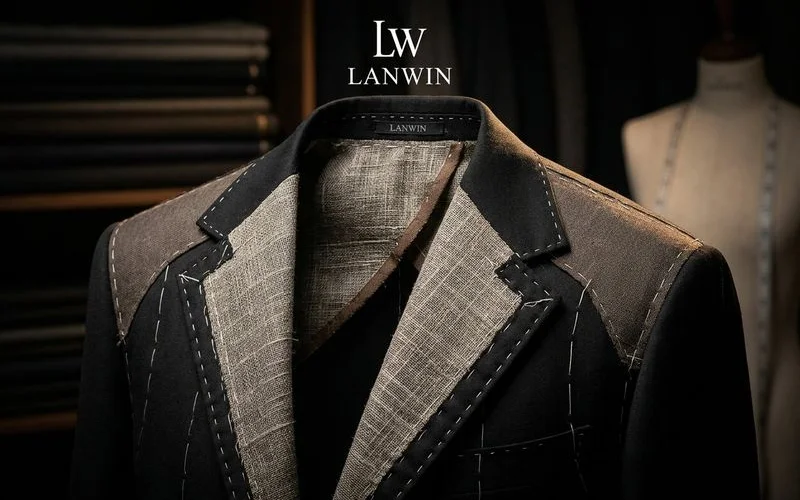
Full Canvas Construction: The Gold Standard
A premium garment features an interlining composed entirely of natural fibres. We construct this layer using a precise blend of coarse horsehair, breathable cotton, and soft wool.
The horsehair provides resilient structure and shape retention. The wool and cotton elements add essential flexibility and softness.
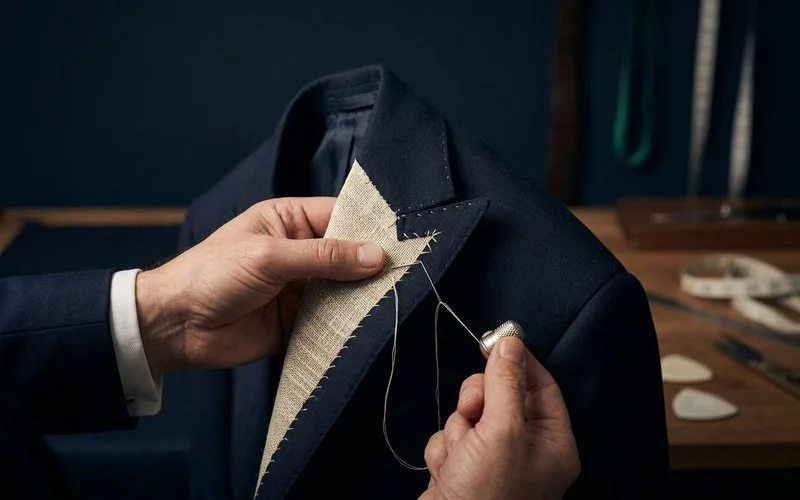
We source our premium horsehair canvas from specialised European mills to ensure optimal performance. This natural skeleton extends from the shoulder seam all the way down to the bottom hem, and skilled artisans attach this layer using thousands of invisible pad stitches.
How Full Canvas Works
The canvas never bonds directly to the outer fabric. It floats freely between the shell and the lining.
This independent movement is the secret behind a truly three-dimensional drape. The floating architecture allows the jacket to shift naturally as you reach, sit, or walk.
After ten to fifteen wearings, the horsehair actually begins to conform to your specific body shape. The chest develops a distinctive roll that synthetic materials cannot replicate, resulting in a garment that feels like a second skin.
The Benefits of Full Canvas
We always recommend this method for clients seeking maximum longevity and comfort. The benefits extend far beyond initial aesthetics:
- Superior Drape: The independent canvas prevents unsightly pulling or bunching across the chest.
- Maximum Breathability: Natural fibres allow air to flow freely, which is critical for staying cool.
- Unmatched Longevity: A well-maintained natural canvas can easily last twenty years without degrading.
- Personalised Fit: The horsehair slowly takes on the exact contours of the wearer’s physique.
At LANWIN Premier, every custom-made garment we craft utilises this premium method. We consider this standard absolutely essential for any piece bearing our family name.
Fused Construction: The Mass-Market Approach
Mass-produced garments replace natural horsehair with a synthetic, plastic-based interlining. Manufacturers bond this sheet directly to the outer fabric using high-heat industrial presses.
This automated process relies on polyamide resins that melt at temperatures around 140 to 160 degrees Celsius. The melted adhesive permanently glues the layers together.
We avoid this method because it prioritises manufacturing speed over long-term wearability. The vast majority of off-the-rack options utilise this rapid assembly technique to keep retail prices low.
The Drawbacks of Fused Construction
The fused method creates significant issues for frequent wearers. The glued structure fundamentally alters how the wool behaves:
- Rigid Drape: The glued layers cannot move independently, resulting in a stiff, cardboard-like appearance.
- Trapped Heat: The synthetic glue acts as an impermeable barrier that blocks air circulation completely.
- Irreversible Bubbling: Polyamide adhesives eventually degrade, causing the fabric to separate and bubble visibly.
- Short Lifespan: Most glued jackets show severe degradation within just three to five years.
Half Canvas: The Middle Ground
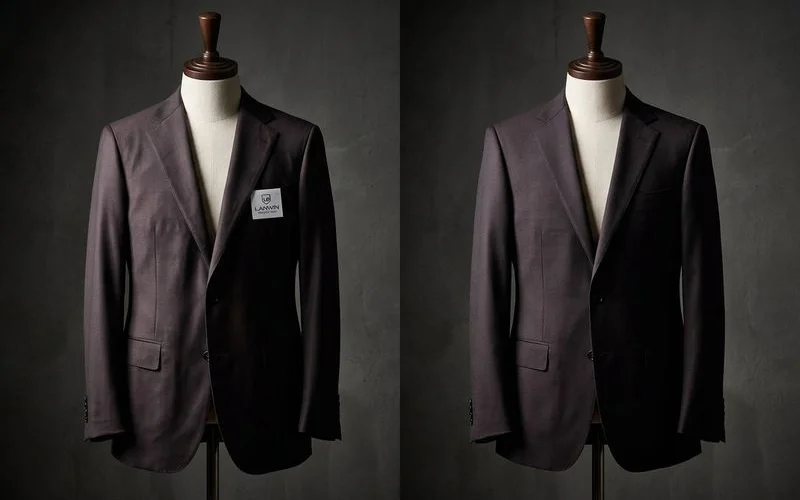
A half canvas approach attempts to bridge the gap between premium handwork and mass production. Manufacturers place a natural horsehair piece only in the upper chest and lapel area, and then use synthetic adhesives to fuse the lower section.
We see this as a reasonable entry point for junior executives building their first professional wardrobe. This hybrid method provides a better lapel roll than a fully glued alternative, offering a slight aesthetic upgrade without the full investment of hand-stitched architecture.
However, the glued lower half still restricts airflow and remains susceptible to eventual delamination. Discerning professionals eventually upgrade to a fully floating structure for maximum comfort.
Comparing Construction Methods
| Feature | Fused | Half Canvas | Full Canvas |
|---|---|---|---|
| Primary Structure | Synthetic Glue | Glue & Horsehair | 100% Natural Horsehair |
| Breathability | Very Poor | Moderate | Exceptional |
| Average Lifespan | 3 - 5 Years | 5 - 8 Years | 15 - 20+ Years |
| Body Conforming | None | Upper Chest Only | Entire Torso |
The Tactile Difference: How to Test Construction
You can easily determine a jacket’s internal structure using a simple physical check. We teach our clients the “pinch test” to evaluate garments before purchasing.
Navigate to the chest area, slightly below the bottom buttonhole on the lapel. Pinch the fabric firmly between your thumb and forefinger, then evaluate the resistance:
- The Floating Assessment: If you feel three distinct, separate layers sliding against each other, you are holding a fully floating canvas. The middle layer will feel slightly coarse.
- The Glued Assessment: If the fabric feels like one thick, stiff piece, the manufacturer has glued the layers together. A fused jacket will feel decidedly rigid and papery to the touch.
Why Full Canvas Matters More in Malaysia
The Malaysian climate severely punishes poorly constructed menswear. Kuala Lumpur experiences average relative humidity levels of 80 to 89 per cent throughout 2026.
These intense moisture levels combine with daily temperatures routinely hitting 32 degrees Celsius. A glued jacket turns into a stifling synthetic trap under these exact conditions.
We design our garments specifically to combat this intense tropical heat. The floating architecture offers three distinct climatic advantages:
- Active Heat Dissipation: The unglued layers pump warm air away from your body as you move.
- Natural Moisture Wicking: Horsehair and cotton absorb and disperse sweat, preventing a clammy feeling.
- Lightweight Fabric Synergy: We pair this breathable structure with high-twist tropical wools, which we specialise in at LANWIN Premier, to maximise cooling.
Because natural fibres manage moisture so effectively, these garments require significantly less dry cleaning. Limiting chemical cleaning extends the fabric’s life and protects the delicate hand-stitching.
The Cost Consideration
A floating natural structure requires a significantly larger financial outlay upfront. Highly skilled artisans must invest many hours hand-stitching the horsehair to ensure a perfect roll.
We find that a mass-market glued jacket in Malaysia typically costs around RM 1,500. A premium, hand-stitched custom-made garment often requires an investment of RM 5,000 to RM 7,000 or more.
Smart executives evaluate this purchase through a cost-per-wear framework rather than the initial sticker price.
A RM 1,500 glued jacket that degrades in three years costs RM 500 annually, while a RM 5,000 premium jacket that lasts fifteen years costs just RM 333 per year.
The hand-stitched option actually saves you money while providing superior comfort every single day.
The LANWIN Premier Approach
Our family has dedicated three generations to perfecting the art of structural menswear. Grand Master Desmond Loi established our atelier in 1979 with a strict focus on uncompromised quality.
We refuse to use synthetic adhesives in any of our premium commissions. Artisans in our workshop source exclusive horsehair blends from top-tier European mills, and we conduct multiple fittings to ensure this internal skeleton aligns perfectly with your unique posture.
To combat the Kuala Lumpur heat, we strongly suggest pairing our hand-stitched architecture with premium cloths. Elite mills perform brilliantly over a floating natural structure:
- Loro Piana: Exceptional breathability for humid boardroom environments.
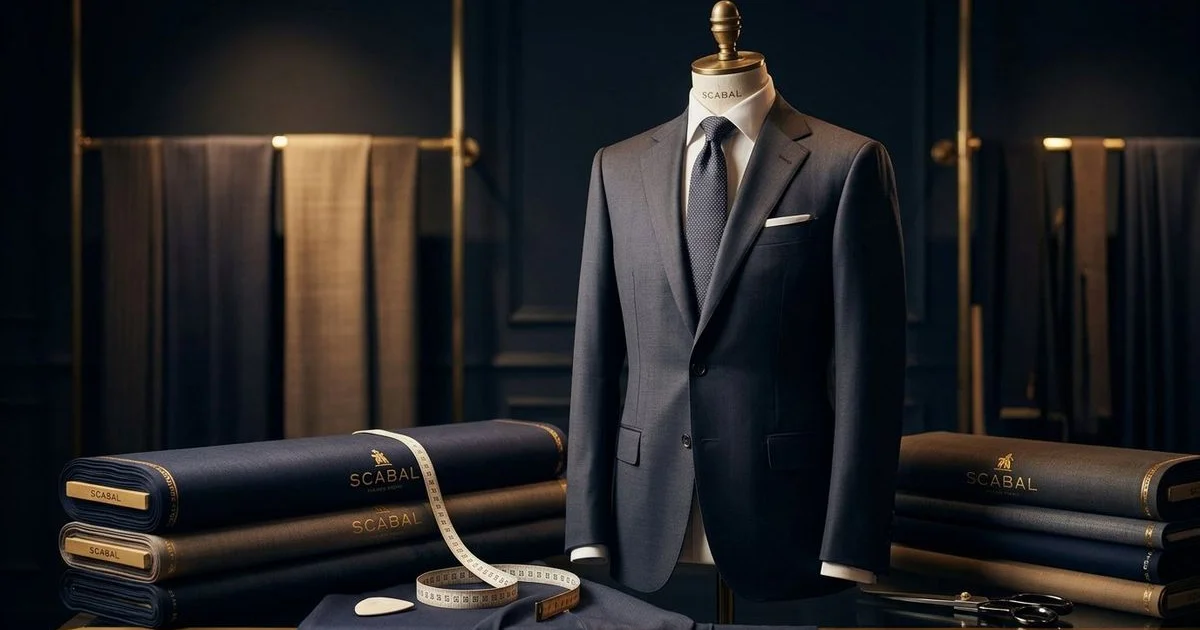
- Scabal: Superior drape and resilience for frequent travel.
- Holland & Sherry: Classic textures that maximise the cooling effect of a natural interior.
Making Your Decision
As you plan your next professional wardrobe update, prioritise the internal architecture above all else. A mediocre fabric draped over a brilliant skeleton will always outperform a luxury fabric glued to plastic.
We advise you to interrogate your clothier about their exact manufacturing processes. Ask to feel the raw horsehair, request a demonstration of the pinch test, and inquire about their stitching techniques.
At LANWIN Premier, we invite every client to inspect our raw materials and witness our stitching process in person.
When comparing Full Canvas vs Fused Suits: Why Construction Matters becomes incredibly obvious the moment you step outside in Kuala Lumpur.
Choose the natural standard. Your comfort and professional image depend entirely on the foundation you select today.